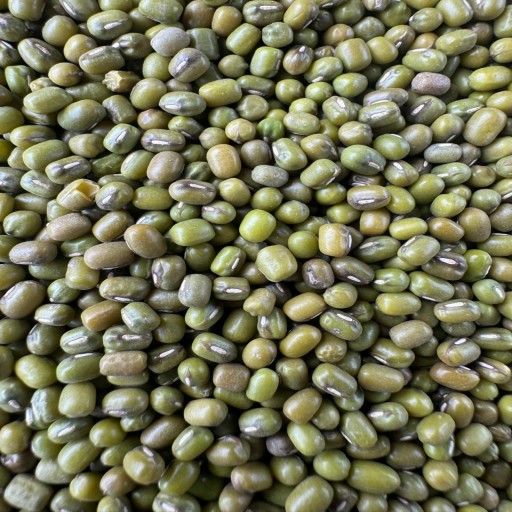

| Category: | Organic Pulses |
|---|---|
| MOQ: | 1 Packet |
| Uses & Application: | Cooked into classic Moong Dal for everyday Indian meals. Sprouted and eaten raw as a superfood salad. Soaked and blended into dosa/idli batters for protein-rich pancakes. Boiled into soups and stews for a filling, low-fat meal. Used in Ayurved |
| Packing: | 500Gm, 1Kg |
| Packing Details: | Packet |
| Supply Capacity: | 100 |
| Port of Dispatch: | Any |
| Delivery Time (In Days): | 10 |
| Payment: | Cash on delivery,Net banking,others |
Organic Moong is packed with essential micronutrients like iron, potassium, folate, magnesium, calcium, zinc, and B-complex vitamins. This nutritional profile supports immune function, red blood cell production, muscle recovery, and bone strength, while aiding in cellular repair and energy metabolism.One of the standout features of Organic Moong Beans is their digestibility—they are easy on the stomach, non-bloating, and ideal for babies, elders, or anyone recovering from illness. In Ayurveda, moong is classified as a sattvic food—pure, clean, and balancing for all three doshas (Vata, Pitta, Kapha). It is often used in Ayurvedic detox and Panchakarma regimens due to its lightness and ability to cleanse the body gently.When soaked overnight and sprouted, moong beans become a living food—enzyme-rich, vitamin-enhanced, and more bioavailable. Sprouted moong is a superfood in its own right, used in raw salads, sandwiches, energy bowls, or lightly sautéed dishes for added crunch and nutrition.
In traditional Indian cooking, whole moong is used to make dishes like moong curry, khichdi, sprouted usal, and dal soups. It pairs beautifully with turmeric, cumin, ginger, garlic, curry leaves, and coconut. It also features in South Indian dosas, lentil pancakes, fermented batters, and even moong-based sweets like halwa.In modern kitchens, Organic Moong adapts to a wide variety of global cuisines. Add it to stews, lentil patties, veggie wraps, casseroles, stuffed parathas, protein-rich soups, or smoothie bowls. It’s a smart addition to fitness diets, high-protein vegan meal plans, clean-eating menus, and plant-based detox programs.Moong beans are also used in gluten-free flours, baking mixes, and dry snacks. They can be roasted and seasoned for a crunchy on-the-go snack or ground into protein flour for baking and thickening sauces. Their neutral taste and quick-cook nature make them an easy pantry staple for busy households.For baby food and elderly care, moong is often boiled and mashed with ghee or vegetable broth. It's gentle on the gut, nutrient-rich, and free of allergens, making it one of the safest and most nourishing legumes for all age groups.
Environmentally, Organic Moong is a sustainable choice. It’s a nitrogen-fixing crop that improves soil fertility and requires less water than many grains or animal protein sources. Choosing Organic Moong supports biodiversity, eco-friendly farming, and smallholder organic farmers.The shelf life of Organic Moong Beans is long when stored in a cool, dry, airtight container. To prepare, simply rinse and soak for 6–8 hours to enhance digestibility and reduce cooking time. It can then be pressure-cooked, boiled, sprouted, or roasted depending on the recipe.
Organic Moong Beans are ideal for:
-
Everyday cooking (dal, curry, khichdi)
-
Diabetic-friendly diets
-
Weight management and fat loss
-
High-protein vegan and vegetarian diets
-
Gluten-free and allergy-friendly meal plans
-
Ayurvedic detox and sattvic diets
-
Baby weaning foods
-
Elderly or post-illness recovery meals
-
Fitness and muscle-repair meals
-
Low-GI meal plans
related products



ABOUT US
-

Kemfree.com is India’s first online start up and global platform to buy, sell, trade, import & export of hazardous chemical & pesticides free certified or non certified (lab tested) organic products that enables sustainable partners and organic farmers in connecting directly with consumers.