.jpg)

| Category: | Organic Pulses |
|---|---|
| MOQ: | 1 Packet |
| Certificate: | NPOP |
| Uses & Application: | Organic Moong (Mung Bean) is one of the most versatile and nutritious legumes, widely appreciated for its health benefits, culinary uses, and agricultural applications. As a highly digestible and rich source of plant-based protein, Moong is an essential p |
| Packing: | 250gm, 500gm, 1kg |
| Packing Details: | Packet |
| Supply Capacity: | 100 |
| Port of Dispatch: | Any |
| Delivery Time (In Days): | 10 |
| Payment: | Cash on delivery,Net banking,others |
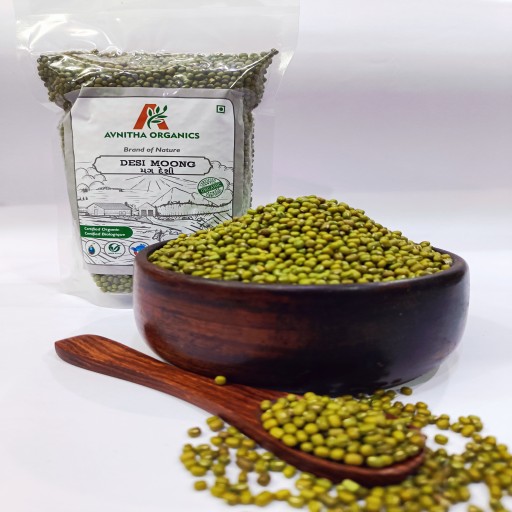
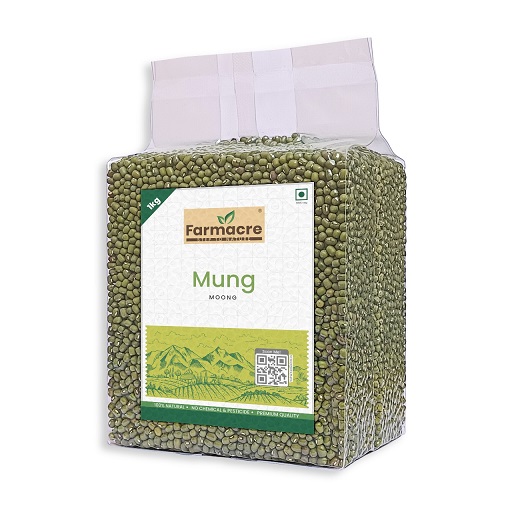
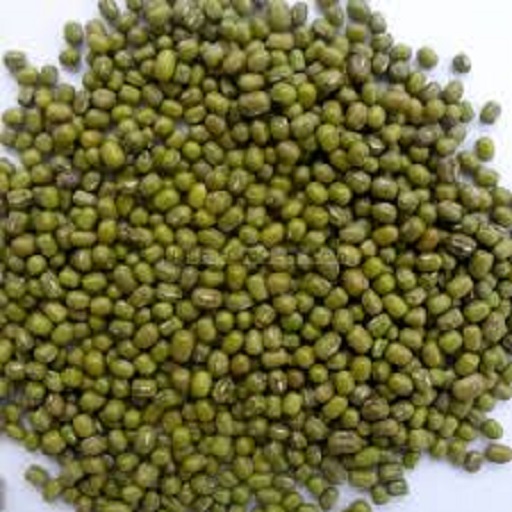
Organic Moong (Mung Beans) is a highly nutritious legume that has been cultivated for thousands of years, particularly in Asia and parts of Africa, known for its rich protein content, digestibility, and health benefits. As a small, green bean, it is widely used in various culinary, medicinal, and agricultural applications. Organic Moong is an excellent source of plant-based protein, making it an essential food for vegetarians, vegans, and anyone seeking to reduce their intake of animal products. The high protein content in Moong helps in muscle repair and growth, making it ideal for athletes, bodybuilders, and those recovering from illness. It also contains essential amino acids, which are the building blocks of proteins, promoting healthy skin, hair, and nails. Moong beans are rich in fiber, which is crucial for maintaining a healthy digestive system. The fiber helps regulate bowel movements, prevents constipation, and supports a healthy gut microbiome. Its soluble fiber aids in controlling blood sugar levels, making it a great food for diabetics as it has a low glycemic index. This low glycemic index makes Moong beans an ideal choice for those who wish to maintain stable blood sugar levels and avoid sudden insulin spikes. Moreover, the high fiber content also aids in weight management by making you feel full longer, reducing the likelihood of overeating. Organic Moong is packed with essential vitamins and minerals, including folate, iron, magnesium, potassium, and phosphorus. Folate, in particular, is crucial for the production of red blood cells and the prevention of neural tube defects in newborns, which is why it is highly recommended for pregnant women. The iron content in Moong helps prevent iron deficiency anemia, a common condition that can lead to fatigue and weakness. Magnesium, on the other hand, plays a key role in muscle function, nerve transmission, and bone health, while potassium helps regulate blood pressure and supports heart health. Furthermore, Moong is an excellent source of antioxidants, such as flavonoids and polyphenols, which protect the body from oxidative stress caused by free radicals. These antioxidants help reduce the risk of chronic diseases such as cancer, cardiovascular disease, and diabetes, and also contribute to healthy aging by combating the signs of skin aging and inflammation. Organic Moong is also beneficial for detoxification, as it naturally helps to flush out toxins from the body, promoting overall wellness. It is often used in Ayurvedic and traditional medicine for its cooling properties, which help balance the body's internal temperature and relieve heat-related conditions. Additionally, Moong is known for its role in supporting a healthy immune system, thanks to its nutrient-dense composition. It strengthens the body's defenses against infections and illnesses, making it a natural immunity booster. The legume is also believed to have anti-inflammatory effects, which may help alleviate symptoms of arthritis, joint pain, and other inflammatory conditions. When sprouted, Organic Moong’s nutritional value increases significantly. Sprouting enhances its vitamin C content and makes it easier for the body to absorb its nutrients, especially protein and iron. Sprouted Moong beans are a popular addition to salads, sandwiches, and wraps, offering a fresh, crunchy texture along with a nutrient-packed boost. Organic Moong is incredibly versatile in the kitchen and can be used in a variety of dishes. In many cultures, it is used in soups, stews, curries, and dals. Moong dal, or split Moong beans, is a popular Indian dish, where it is often cooked with spices such as cumin, turmeric, and garlic, making it a flavorful, nourishing meal. It is also used in the preparation of dishes like moong dal khichdi, a comforting and nutritious dish often eaten as a cleansing food during illness or detox. The beans can also be roasted to make a healthy snack, seasoned with a variety of spices to enhance flavor. Organic Moong can be ground into flour, also known as Moong dal flour or mung bean flour, which is commonly used in gluten-free baking. Moong flour is a key ingredient in traditional Indian foods like moong dal cheela (savory pancakes) and moong dal halwa (a sweet dessert), offering a delicious and nutritious alternative to regular wheat flour. Its neutral taste makes it suitable for both savory and sweet recipes. The flour is also used in making fritters, soups, pancakes, and as a thickening agent in gravies and sauces. Moreover, Moong flour is increasingly being incorporated into commercial health foods like protein bars, snack foods, and smoothies, capitalizing on its high-protein, gluten-free, and plant-based properties. Organic Moong is not only beneficial for human health but also plays a significant role in sustainable agriculture. It is a nitrogen-fixing plant, which means that it helps enrich the soil with nitrogen, an essential nutrient for plant growth. This makes Moong a valuable crop in crop rotation systems, as it improves soil fertility and reduces the need for synthetic fertilizers. Moong is also drought-resistant, making it a viable crop for farmers in regions with limited water resources. The short growing season of Moong, typically around 60-90 days, allows for multiple harvests in a single year, which increases agricultural productivity. Its ability to grow in poor soils and harsh conditions makes it an important food crop in areas where other crops might struggle to thrive. The byproducts of Moong farming, such as stalks and leaves, are often used as animal feed, further contributing to the circular nature of organic farming. Additionally, Organic Moong farming supports biodiversity and sustainable food systems by reducing the environmental impact of conventional farming methods, as it requires fewer chemicals and synthetic inputs. In the beauty and skincare industry, Organic Moong is gaining popularity for its potential to promote healthy, glowing skin. Moong flour is often used in face masks and scrubs due to its gentle exfoliating properties, which help remove dead skin cells and rejuvenate the skin. Its antioxidant content helps combat oxidative stress and protects the skin from aging signs like wrinkles and fine lines. The anti-inflammatory properties of Moong are also believed to help soothe irritated skin and reduce redness or acne. Organic Moong is a nutrient-dense food that offers a variety of health benefits, from aiding digestion and weight management to boosting immunity and providing energy. Its versatility in cooking, coupled with its high protein, fiber, and micronutrient content, makes it an essential part of a balanced diet. Whether consumed whole, sprouted, or ground into flour, Organic Moong can be enjoyed in numerous ways, contributing to overall health and well-being. Moreover, its ecological benefits, such as improving soil quality and reducing the need for chemical fertilizers, make it an important crop in sustainable farming practices, supporting both human health and the environment. As the demand for plant-based and gluten-free foods continues to rise, Organic Moong remains a highly valuable legume, offering an array of applications in both the kitchen and beyond, from food to health to agriculture.
related products


ABOUT US
-

Kemfree.com is India’s first online start up and global platform to buy, sell, trade, import & export of hazardous chemical & pesticides free certified or non certified (lab tested) organic products that enables sustainable partners and organic farmers in connecting directly with consumers.