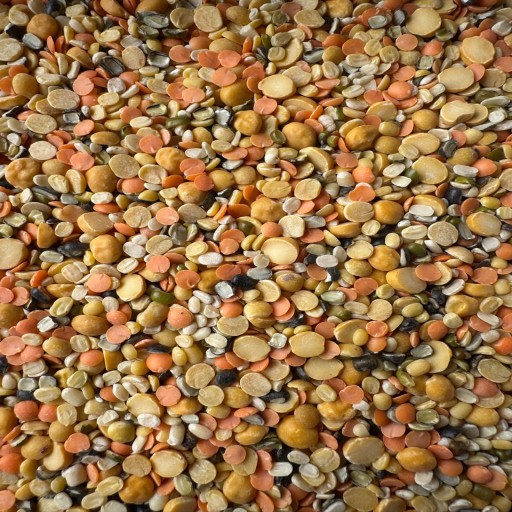

| Category: | Organic Pulses |
|---|---|
| MOQ: | 1 Packet |
| Uses & Application: | Ideal for making Dal Baati Churma, a Rajasthani delicacy Used to cook protein-rich khichdi Excellent for high-protein vegan soups Forms the base of Ayurvedic cleansing meals Used in sattvic meals during fasting or detox Can be used in postp |
| Packing: | 500kg, 1 kg |
| Packing Details: | Packet |
| Supply Capacity: | 100 |
| Port of Dispatch: | Any |
| Delivery Time (In Days): | 10 |
| Payment: | Cash on delivery,Net banking,others |
This dal is considered a complete plant-based protein source, containing all essential amino acids when cooked with rice or millets. It’s a rich source of fiber, iron, potassium, magnesium, calcium, folate, and B vitamins, making it a heart-healthy, gut-friendly, and energy-boosting food. Toor dal contributes to smooth texture and body, Chana dal adds a nutty bite and protein, Moong dal brings lightness and digestibility, Masoor dal adds color and quick-cooking benefits, and Urad dal gives depth and creaminess. This synergistic combination offers a well-rounded meal ideal for anyone seeking to improve overall health through natural, plant-based eating. It is especially suited for vegetarians, vegans, fitness enthusiasts, people with digestive concerns, or those on gluten-free or diabetic-friendly diets. Pancharatna Dal is highly versatile in Indian cooking. It can be pressure-cooked into a creamy, rich curry tempered with spices like cumin, mustard seeds, garlic, ginger, and ghee or oil. It pairs beautifully with steamed rice, jeera rice, roti, or millet chapatis. It’s also used to make khichdi, soups, and porridge-style meals for kids, elderly people, or those recovering from illness. In Rajasthani cuisine, it is famously served with Baati as part of the traditional Dal Baati Churma meal. The dal can also be prepared dry and stir-fried with vegetables, making a great filling for wraps, dosa, or stuffed parathas. Many Ayurvedic kitchens recommend Pancharatna Dal for its Tridosha-balancing qualities, meaning it helps balance the body’s Vata, Pitta, and Kapha energies. This makes it ideal for daily consumption without causing bloating, heaviness, or indigestion. Its light and nourishing nature makes it suitable for detox diets, fasting meals, sattvic meals, and postpartum recovery plans. Because of its high fiber content, it supports colon health, prevents constipation, and regulates blood sugar levels.
related products


ABOUT US
-

Kemfree.com is India’s first online start up and global platform to buy, sell, trade, import & export of hazardous chemical & pesticides free certified or non certified (lab tested) organic products that enables sustainable partners and organic farmers in connecting directly with consumers.