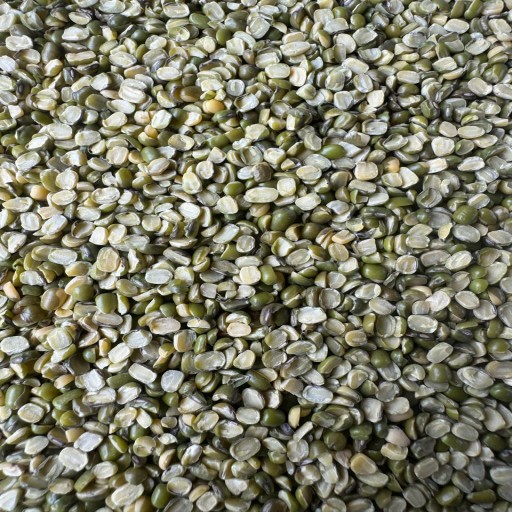

| Category: | Organic Pulses |
|---|---|
| MOQ: | 1 Packet |
| Uses & Application: | Rich Source of Protein: Organic Moong Dal is an excellent plant-based protein, making it ideal for vegetarians and vegans. Supports Weight Loss: Moong Dal is low in calories and high in fiber, promoting a feeling of fullness and aiding in weight loss. |
| Packing: | 500Gm, 1Kg |
| Packing Details: | Packet |
| Supply Capacity: | 100 |
| Port of Dispatch: | Any |
| Delivery Time (In Days): | 10 |
| Payment: | Cash on delivery,Net banking,others |
High in high‑quality plant protein, average moong dal offers approximately 24 g of protein per 100 g, making it ideal for vegetarians, vegans, children, and anyone seeking muscle support or meat alternatives. Its rich dietary fiber content also promotes gut health, supports digestion, and helps maintain satiety, making it especially effective for weight‑management and balanced blood sugar levels.
With a low glycemic index, Organic Moong Dal releases energy slowly, stabilizes glucose levels, and makes an excellent dietary choice for individuals managing diabetes or seeking long‑lasting, steady energy. It is naturally gluten‑free and low in fat, free from cholesterol, making it a heart‑healthy, fiber‑rich staple.
This dal is an outstanding source of essential micronutrients—iron, magnesium, potassium, phosphorus, folate, and B‑vitamins—which collectively support red blood cell formation, nerve function, bone health, immunity, and energy metabolism. Its antioxidant content helps reduce oxidative stress and inflammation.
The digestibility of Organic Moong Dal is unparalleled—soaked, sprouted, or cooked directly, it is easy on the stomach and suitable for sensitive digestion, making it ideal for babies, older adults, and individuals recovering from illness. It is a staple in traditional Ayurvedic remedies for cooling and hydrating the body, especially during summer or convalescence.
Culinary uses are diverse: from simple dal soups and khichdi to creamed spreads, pancakes, dosa, and sprouted bean salads. It can be made sweet in traditional desserts like moong dal halwa or coconut‑moong laddoos, and savory in khichdi, dals with spices, stews, steamy soups, or mixed‑bean bowls.
Sprouted moong versions increase vitamin and enzyme activity, improving nutrient uptake and making the beans even easier to digest. Sprouted dal can be added to salads, wraps, or light stir‑fries for a protein‑boosted, fresh crunch.
Moong dal is also used in wellness cuisines—pureed as baby porridge, light soups, or detox broths—and is often recommended on fasting days or during gentle cleanses for its mild flavor and nourishing properties.
In modern kitchens, Organic Moong Dal is incorporated into fermented batters for dosa and idli, baked goods like moong dal cookies or bars, and blended into smoothies or energy balls for a nutritious boost. Moong flour (besan) derived from green moong can be used similarly to chickpea flour—used in gluten‑free baking, fritters, or savory snacks.
Sustainability‐wise, moong requires minimal water, fixes nitrogen in the soil as a rotational crop, and supports smallholder organic farms. Choosing Organic Moong supports eco-conscious agriculture and nutrient recycling in farming systems.
To store, keep Organic Moong Dal in a cool, dry, airtight container. The dal has a naturally long shelf life, but to maintain freshness and prevent insects, store in a dark cupboard, and refrigerate if using the flour.
related products
ABOUT US
-

Kemfree.com is India’s first online start up and global platform to buy, sell, trade, import & export of hazardous chemical & pesticides free certified or non certified (lab tested) organic products that enables sustainable partners and organic farmers in connecting directly with consumers.