- Copy.jpg)

| Category: | Organic Cereals |
|---|---|
| MOQ: | 1 Packet |
| Uses & Application: | 1. In Breakfast Cereals Organic wheat can be processed into a variety of breakfast cereals, including wheat flakes, wheat bran, and wheat germ. These cereals are high in fiber, vitamins, and minerals, making them a nutritious and energy-boosting option f |
| Packing: | 500Gm, 1Kg |
| Packing Details: | Packet |
| Supply Capacity: | 100 |
| Port of Dispatch: | any |
| Delivery Time (In Days): | 10 |
| Payment: | Cash on delivery,Net banking |
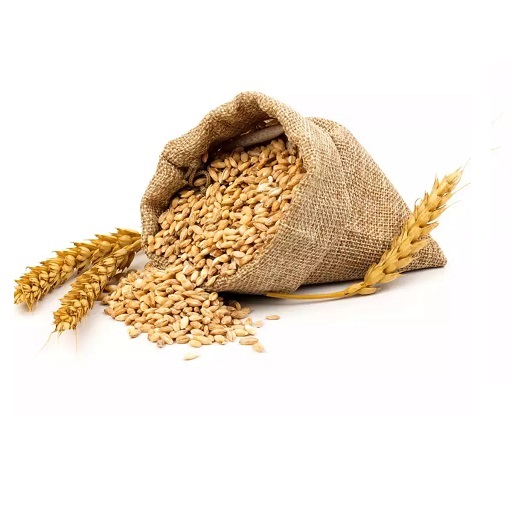
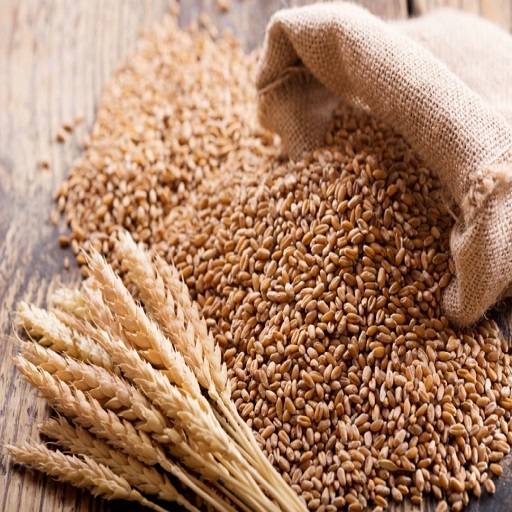
Organic Wheat is a highly versatile, nutrient-dense grain that has been a cornerstone of human diets for centuries. Grown without the use of synthetic pesticides, fertilizers, or genetically modified organisms (GMOs), organic wheat offers a healthier and more sustainable option compared to conventional wheat. This whole grain is packed with essential nutrients, including fiber, protein, vitamins, and minerals, making it a valuable addition to any balanced diet. Unlike refined wheat, organic wheat retains all parts of the grain—bran, germ, and endosperm—preserving its natural nutritional value. As a result, it provides higher levels of fiber, antioxidants, and micronutrients, which are essential for overall health and wellness.
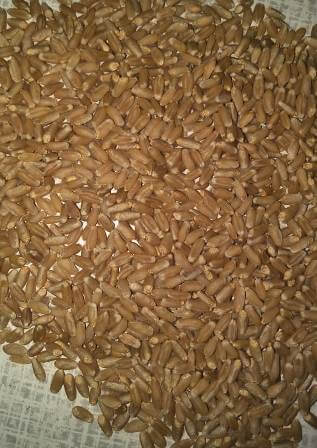
Organic wheat is primarily used in a variety of forms, such as whole wheat flour, wheat berries, wheat bran, and wheat germ, each of which can be incorporated into a wide range of culinary applications. Whole wheat flour, for example, is a staple in baking and is used to make wholesome bread, muffins, pancakes, and other baked goods. It provides a nutty, earthy flavor and a denser texture compared to refined flour, along with the added benefit of a higher fiber content, which aids digestion and helps regulate blood sugar levels. Wheat berries, the whole kernel of the wheat grain, can be cooked and used in salads, soups, and stews, offering a chewy texture and a mild, nutty flavor. They are rich in fiber, protein, and important minerals like iron and magnesium.
In addition to its uses in baking and cooking, organic wheat is also a key ingredient in the production of pasta and cereals. Durum wheat, a variety of hard wheat, is commonly used to make high-quality organic pasta, which is known for its firm texture and ability to hold sauce well. Organic wheat cereals, such as wheat flakes or wheat bran, are excellent sources of fiber and can be eaten as a nutritious breakfast or incorporated into baked goods for added texture and nutrition.
Beyond its culinary uses, organic wheat also plays a role in animal feed, as it is a natural and healthy food source for livestock. Its use in cover cropping in organic farming practices helps maintain soil health and prevents erosion, making it an integral part of sustainable farming methods. Wheat is also processed into various health supplements, such as wheatgrass, which is rich in antioxidants and chlorophyll and is often consumed as a detoxifying supplement.
related products
ABOUT US
-

Kemfree.com is India’s first online start up and global platform to buy, sell, trade, import & export of hazardous chemical & pesticides free certified or non certified (lab tested) organic products that enables sustainable partners and organic farmers in connecting directly with consumers.